Best Puppy Breeds for Families
- Tammy Vernon

- 2 days ago
- 5 min read
A practical PuppyWhiz guide to choosing a family-friendly puppy based on temperament, lifestyle, care needs, and realistic expectations.
🖨️ Ctrl + P to Print this article
Choosing the Right Family Puppy
Bringing home a puppy is exciting, but choosing the right breed matters more than many people realize. Some puppies naturally do better with children, busy households, first-time dog owners, or active families.
The best family dogs are usually:
· Friendly and patient
· Easy to train
· Gentle with children
· Social and affectionate
· Adaptable to family routines
While every dog has its own personality, certain breeds are known for being especially family-friendly.
What Makes a Good Family Dog?
Before choosing a puppy, think about your family’s lifestyle.
Important Things to Consider
Energy Level
Some breeds need hours of exercise every day, while others are happy with shorter walks and indoor play.
Size
Large breeds can accidentally knock over small children, while tiny breeds may become nervous in loud homes.
Grooming Needs
Some dogs require frequent brushing and grooming appointments.
Trainability
Beginner-friendly breeds are usually easier for families with young children or first-time puppy owners.
Temperament
Look for puppies known for patience, confidence, and sociability.
Best Puppy Breeds for Families
Top Five Best Puppy Breeds for Families With Children
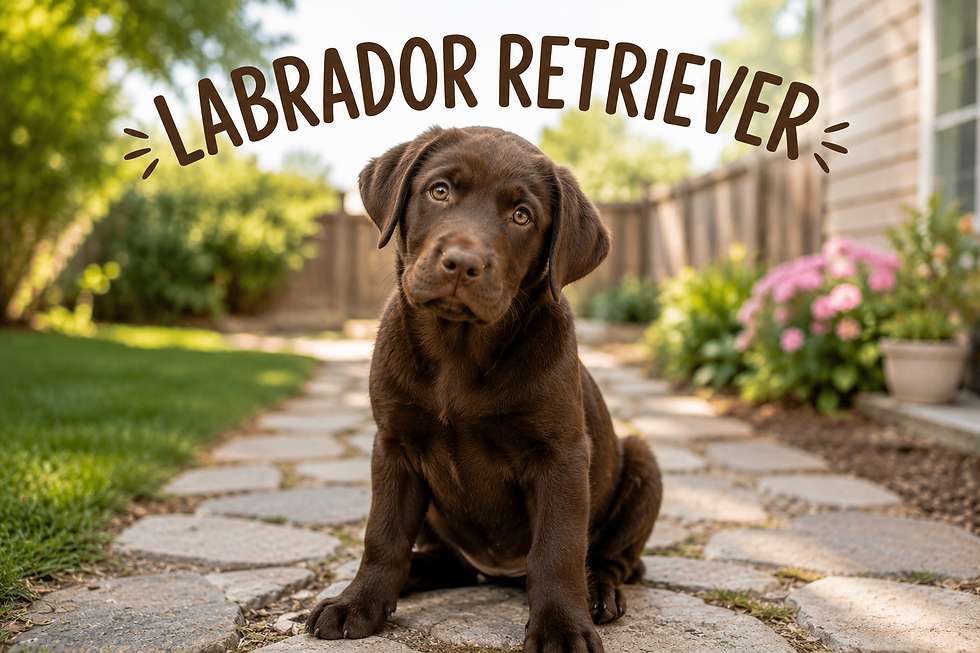
Labrador Retriever
Labradors are one of the most popular family dogs for a reason.
Why Families Love Labs
· Friendly and outgoing
· Easy to train
· Great with children
· Loyal and affectionate
· Love outdoor activities
Labs do best in active homes where they get regular exercise and attention.
Good Fit For
· Active families
· Homes with children
· First-time dog owners
Golden Retriever
Golden Retrievers are gentle, intelligent, and eager to please.
Why They’re Popular
· Extremely patient
· Highly trainable
· Friendly with people and pets
· Calm temperament
· Great emotional support companions
Goldens thrive when included in daily family life.
Good Fit For
· Families with kids
· Multi-pet households
· Owners wanting an affectionate companion
Cavalier King Charles Spaniel
This smaller breed is loving, adaptable, and excellent for calmer households.
Benefits of Cavaliers
· Gentle personality
· Smaller size
· Easygoing nature
· Enjoy cuddling and companionship
· Adapt well to apartments or houses
Good Fit For
· Smaller homes
· Families wanting a lap dog
· Less active households
Bernese Mountain Dog
Bernese Mountain Dogs are known for their calm and affectionate nature.
Why Families Love Them
· Patient with children
· Loyal and protective
· Calm indoors
· Friendly and social
Although large, they are often gentle and easygoing.
Good Fit For
· Families with space
· Cooler climates
· Owners comfortable with large dogs
Poodle
Poodles come in Standard, Miniature, and Toy sizes.
Why Poodles Make Great Family Dogs
· Extremely intelligent
· Easy to train
· Low-shedding coats
· Friendly and playful
· Good for allergy-sensitive homes
Many popular doodle mixes inherit traits from Poodles, but coat texture, shedding, and grooming needs can vary significantly between individual dogs.
Good Fit For
· Families wanting low shedding
· First-time puppy owners
· Homes wanting a highly trainable dog
Beagle
Beagles are friendly, curious, and social dogs that often do well in active family homes.
Why Families Like Beagles
· Friendly personality
· Good with children
· Playful and energetic
· Adaptable to many homes
· Medium-sized and approachable
Good Fit For
· Active families
· Homes wanting a medium-sized dog
· Families with older children
Best Dog Breeds for Kids
Families with young children often do best with breeds known for patience, sociability, and predictable temperaments.
Some of the best dog breeds for kids include:
· Labrador Retrievers
· Golden Retrievers
· Cavaliers
· Poodles
· Bernese Mountain Dogs
· Beagles
Even the friendliest puppy still needs supervision, proper training, and positive experiences around children.
Quick Breed Comparison
Breed | Energy Level | Size | Good With Kids | Grooming Needs |
Labrador Retriever | High | Large | Excellent | Moderate |
Golden Retriever | Moderate-High | Large | Excellent | Moderate-High |
Cavalier King Charles Spaniel | Moderate | Small | Very Good | Moderate |
Bernese Mountain Dog | Moderate | Large | Excellent | High |
Poodle | Moderate-High | Small to Large | Excellent | High |
Beagle | Moderate-High | Medium | Very Good | Moderate |
Teaching Children How to Interact With Puppies
Even gentle puppies can become overwhelmed by rough handling, loud environments, or unpredictable behavior. Teaching children how to interact respectfully with dogs helps build safer, healthier relationships.
Children should learn to:
· Avoid pulling ears or tails
· Respect the puppy’s resting space
· Stay calm during play
· Never disturb a dog while eating
· Use gentle voices and movements
Positive interactions help puppies feel safe and confident around children.
Puppies Require Daily Time and Attention
Before bringing home a puppy, families should realistically consider the daily responsibility involved.
Puppies need:
· Daily exercise
· Potty training routines
· Consistent schedules
· Veterinary care
· Socialization
· Grooming and maintenance
· Supervision during the first few months
Even easygoing breeds still require patience, structure, and ongoing attention.
Choosing a breed that realistically fits your family’s schedule and energy level is often more important than choosing the “perfect” dog on paper.
Mixed Breed Puppies Can Make Wonderful Family Dogs
Many mixed-breed puppies are affectionate, intelligent, and excellent companions for families.
Temperament, socialization, training, and lifestyle fit often matter more than pedigree alone. Some mixed-breed dogs combine positive traits from multiple breeds and adapt very well to family life.
Shelters and rescue organizations can also help families find puppies or young dogs that match their home environment and activity level.
Every Puppy Is an Individual
Even within the same breed, personality and energy levels can vary significantly.
Early socialization, training, genetics, environment, and daily routine all influence how a puppy behaves as it grows.
Families should focus on finding a puppy that fits their lifestyle rather than expecting any breed to automatically be perfect.
Breeds That Need More Consideration
Some breeds can still be wonderful family dogs, but may require more training, structure, or experience.
Examples Include
· Border Collies
· Siberian Huskies
· Belgian Malinois
· Akitas
· Chow Chows
These breeds often have:
· Higher energy levels
· Strong working instincts
· Greater exercise needs
· More advanced training requirements
That does not make them bad family dogs - they simply need the right environment and commitment.
Tips for Choosing the Right Puppy
Meet the Puppy in Person
Temperament matters just as much as breed.
Look for puppies that are:
· Curious
· Friendly
· Confident
· Comfortable around people
Research the Breeder
Responsible breeders should:
· Provide health records
· Answer questions openly
· Allow you to meet the puppies
· Explain breed characteristics honestly
Avoid breeders that seem rushed or unwilling to share information.
Consider Adoption
Many wonderful family dogs are available through shelters and rescues.
Older puppies and young adult dogs may already:
· Be partially trained
· Have calmer temperaments
· Fit more easily into family routines
Family Puppies Still Need Training
Even the friendliest breed still needs:
· Potty training
· Socialization
· Boundaries
· Daily exercise
· Consistent routines
No puppy becomes a perfect family dog automatically.
Patience and consistency matter far more than breed alone.
Final Thoughts
The best puppy breed for your family depends on your lifestyle, activity level, experience, and home environment.
A well-trained dog that receives love, structure, and attention can become an incredible lifelong companion.
Take your time choosing the right breed, ask questions, and focus on finding a puppy whose personality fits your family’s everyday life.

Comments